


































Tracing a Beach Toy Set Through Chenghai Suppliers
Use Chenghai as a sourcing starting point, then identify who supplies the bucket, tools, moulds and packing for the actual beach toy set.
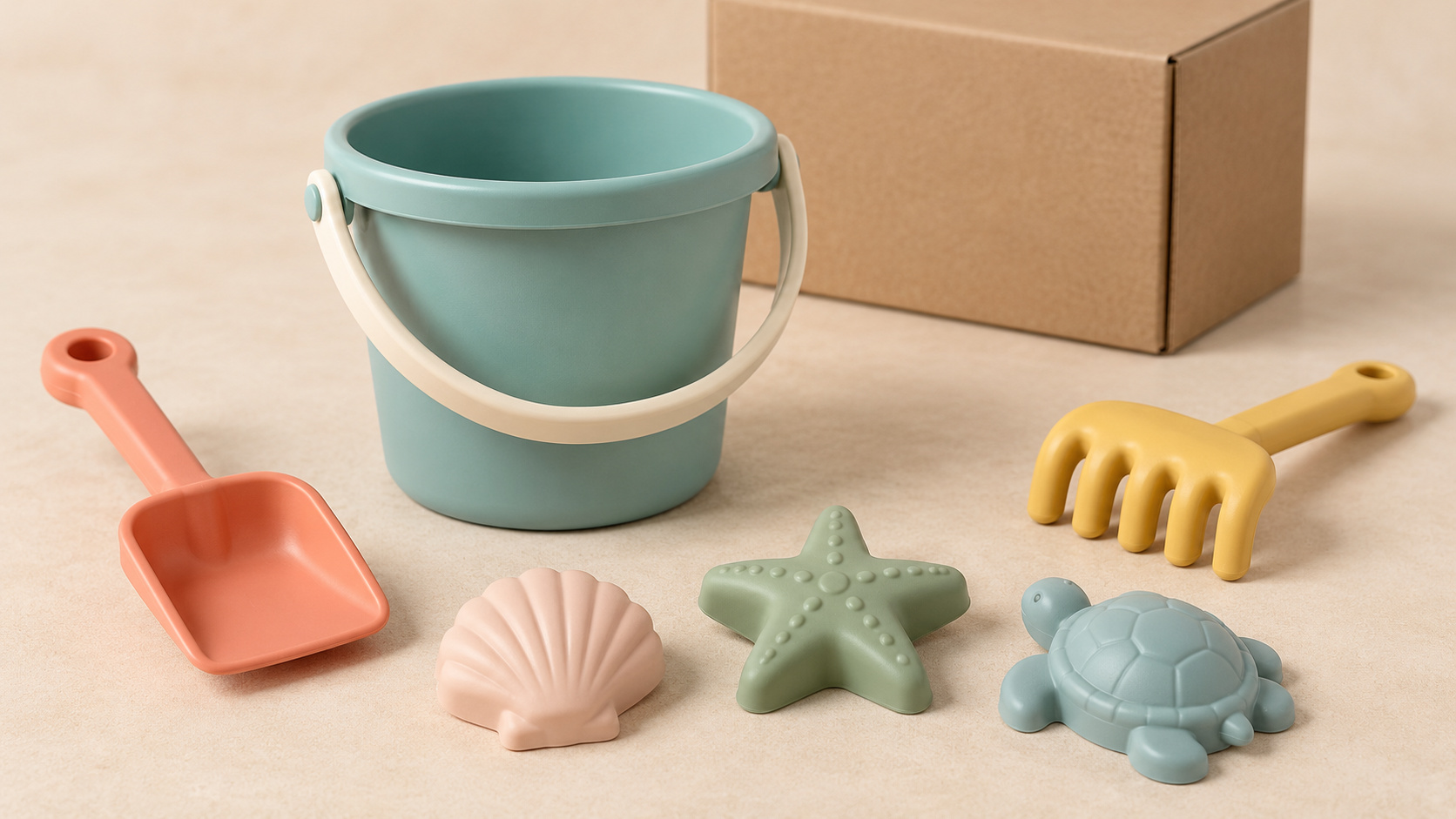
For a beach toy enquiry in Chenghai, I would start with the contents of one proposed set. Does this picture have a set number, or does the supplier quote the bucket, tools and moulds individually? I would leave room for either answer on the enquiry sheet. If the pieces have individual references, each reference would go beside its photograph. The first comparison would be between returned contents lists, with a separate space for the proposed colour assortment.
The regional background helps me decide where to send the enquiry. Shantou's industry authority describes Chenghai's toy chain from raw materials and design through manufacturing and trade. For this set, however, I would still need the contact to fill in the supplier map. Which pieces are made by the business giving the quote? Which are bought in? Where will they be packed together? I would keep those answers attached to the returned offer, with any unanswered item left visible.
I would take the bucket as the first item to trace. Does the quoted bucket include its handle, and which sample shows that handle? A supplier could return the bucket and handle references together, with a photograph of the complete offered version. The shovel and rake would each get a line for their reference and dimensions. For the moulds, I would name the shapes visible in the offered sample and ask the supplier to confirm the quantity of each. A second shell shape could otherwise be easy to miss in the group view. I would reserve age and safety questions for the product review and its supporting information.
For a supplier assembling pieces from more than one source, I would ask who controls the accepted set sample. A revised shovel should not disappear into an unchanged set photograph. The returned contents sheet could mark the changed item, its source reference and the sample being proposed for review. This would also be the place to ask whether a colour change affected one piece or the whole set. A general colour name would leave room for the buyer to request physical samples of the actual combination.
Packaging would have its own step in the supplier map. I would ask where the pieces are brought together, who checks the set count and who supplies the bag, sleeve or carton being quoted. The approved packing view would identify the included pieces and the label artwork reference. Product information and any intended-market safety wording need review against the actual set and applicable requirements before printing. A regional toy-industry description would not replace that product-specific review or its supporting records.
For the order file, I would put the final set photograph beside the component list and packing reference. I would send those references back to the coordinating supplier for confirmation of the supply version. One business might return every answer. In that case, I would record its name again against each activity, so the packing responsibility was as explicit as the manufacturing reply. For the dispatch documents, I would ask it to return the carton references against the agreed set number. When a question came back about a missing tool or a different mould, purchasing would have the agreed contents and the relevant supplier reply to consult.
Share the product, specifications, quantity and destination to discuss sourcing options.