


































Dried mango: what exactly is in the bag?
Buying a snack ingredient starts with the fruit, the cut and the declared ingredients. A photograph cannot settle any of those details.
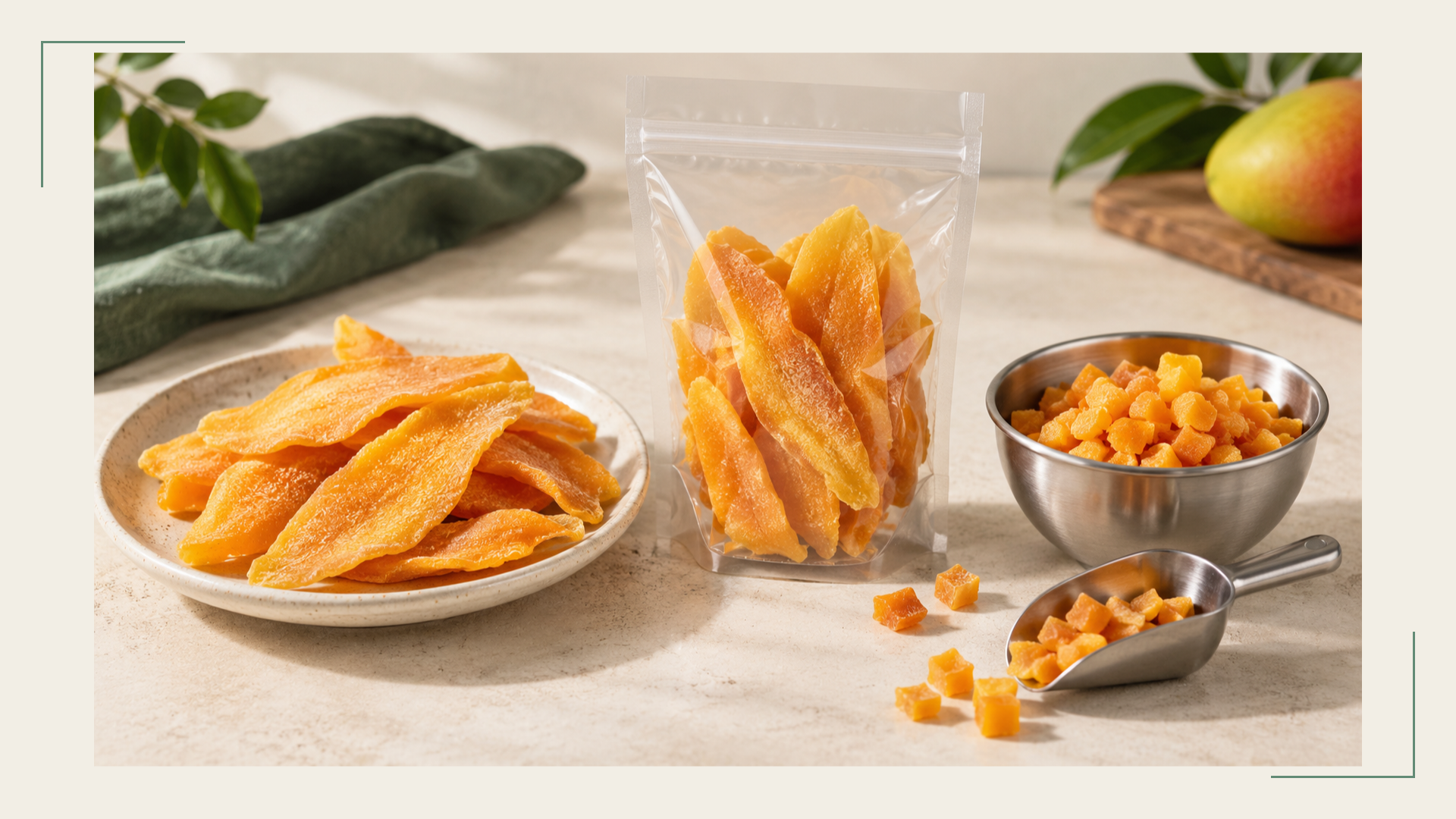
If I were ordering dried mango for a snack range, I would want to open the sample pouch before looking at the price. Not because an expensive sample must be better. I would need to know what the quotation actually covers. Long slices, short strips and a bag with plenty of broken pieces can all arrive under the name “dried mango”. They are different things to put on a shelf.
That is an imaginary buying exercise, not a report of a completed order. The point is to describe what will go into the customer's bag, rather than the nicest piece in a photograph.
For slices, I would start with a few intact pieces beside a ruler. Not just one large slice. How much does the thickness vary? What happens to the smaller pieces? Those questions belong in the brief, with a note saying whether the sample was picked for display or taken to represent normal production. For diced mango, I would ask for a cut description and agree how the size is checked.
The intended use changes that conversation. A shop might want long pieces for a snack pouch. A bakery might want fruit it can portion into a filling. I would send the bakery's brief as a separate enquiry, even if both products came from the same supplier. For the bakery, I would request enough of the quoted cut to make up its filling. The bakery could then compare that sample in the recipe it actually plans to use.
I would also want the ingredient statement on the table. A shiny surface is not a formulation. Ask for the fruit identity, added ingredients and treatment information; if sugar, oil or another ingredient is used, get it written down. Let the responsible importer check the proposed label for the destination. Words such as “natural” and “premium” do little to settle what is actually being bought.
Once those details are agreed, I would put the formulation reference beside the sample reference. It is a small piece of housekeeping, but a useful one. If the factory proposes another finish, the question becomes “what changed in this version?” A new ingredient statement should send the label and description back for review, even when the fruit still looks much the same.
Then there is the moisture paperwork. A soft piece tells me how that piece feels. It does not tell me what was measured, how the sample was taken or which result belongs to the offered lot. I would ask for those details. FDA guidance distinguishes water activity from total moisture; if the brief includes both, they need separate methods and results. I would leave the acceptance limits and shelf-life assessment to the responsible food specialist. Neither can be established by this buying exercise.
And I would ask to see the filled pack. An empty pouch says very little about the fit of long slices, the space around diced fruit or the sealing area after filling. Get the actual cut into the proposed pack, check the dimensions and closure, and give that sample a reference as well. NCHFP's dried-food guidance discusses moisture protection and sealed packaging. It is useful background, not a shelf-life certificate for this shipment.
Only then would I put the prices next to each other. If one offer uses another cut or formulation, there is no need to discard it. Mark the difference. It might suit another product in the range. Just keep it separate from the goods specified in this enquiry.
Share the product, specifications, quantity and destination to discuss sourcing options.